
Uncategorized
Why Dominican Tobacco Still Sets the Standard for Balance and Aroma
Apr
Why Dominican Tobacco Still Sets the Standard for Balance and Aroma
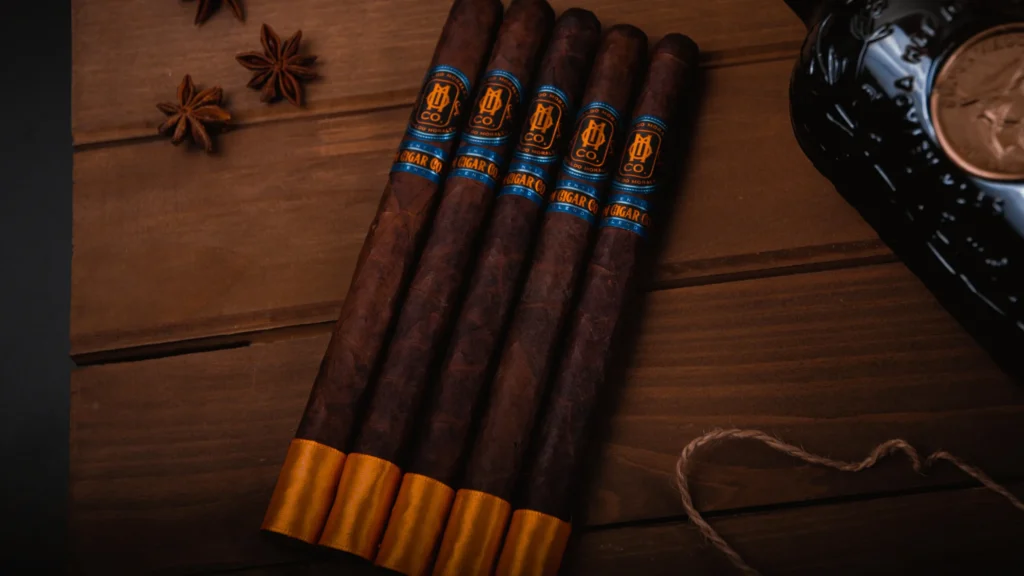
The answer usually comes down to how well Dominican cigar blends balance flavor, texture, and rhythm from beginning to end. In the O.M. range, that often means noticing Tamboril craftsmanship, measured pepper, and blend composure before worrying about labels or hype. That appeal comes from the way Dominican cigar blends reward aromatic balance, balance before brute strength, and Tamboril craftsmanship more than empty boldness. A more accurate read at the start usually leads to a better session and a smarter next purchase.
- Dominican tobacco cigars
- Dominican blend cigars
- balanced Dominican cigars
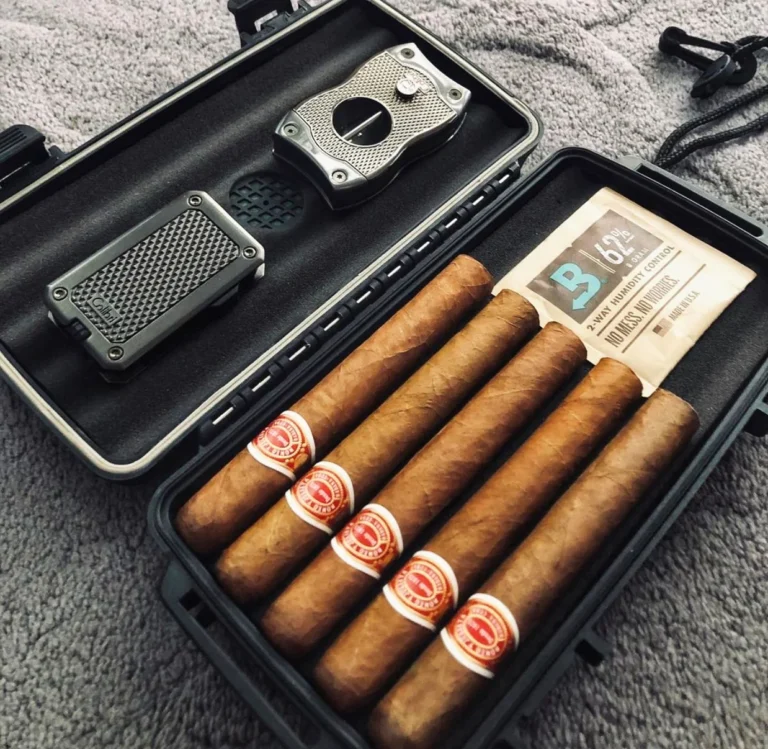
The fastest way to understand Dominican tobacco cigars is to focus on the few differences that genuinely change the smoking experience.
A better comparison keeps flavor, body, and rhythm clear instead of turning the choice into guesswork.
When the direction already feels right, see om’s dominican blend direction is usually the smartest next step.
Why the Appeal Lasts
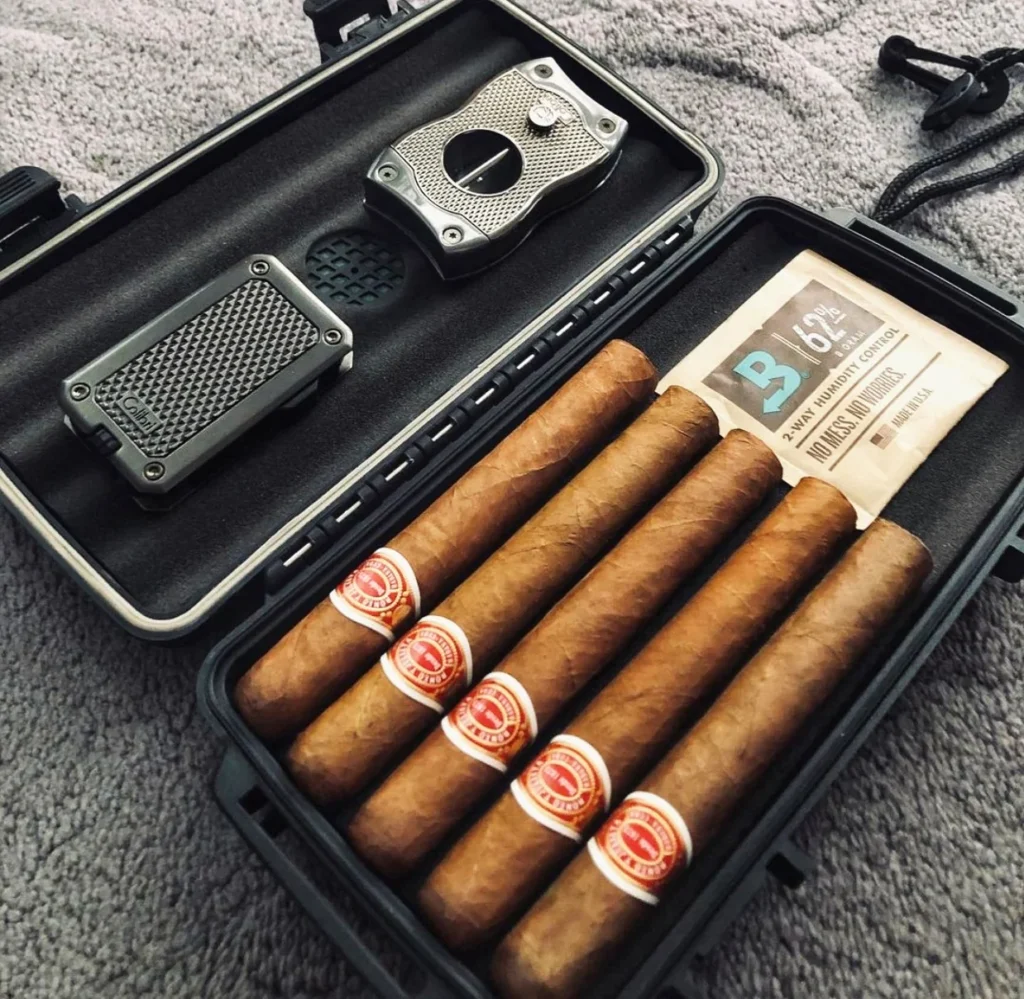
What stands out first is the combination of measured pepper, cedar, and creamier body. That does not mean every third tastes identical, but it does give the cigar a recognizable personality from light-up onward. The result is a session that feels shaped and intentional rather than loud for the sake of being loud. Once that character clicks, repeat buying becomes much more deliberate and much less random.
The craft story matters because hand-rolling discipline shapes the finished experience more than most buyers realize. That background is what keeps the cigar from tasting generic even when it sits inside a familiar family. That connection between process and payoff is what separates genuine premium value from empty luxury language. This is where boutique production can feel genuinely different from buying by catalog size alone.
The smoking rhythm usually lands in a zone that feels elegant transitions and Tamboril craftsmanship, which is why fit matters more than raw strength labels. Two cigars can share a similar strength reading and still feel completely different once the smoke reaches the palate. That more complete read helps separate a merely acceptable smoke from one you will want again. It also helps explain why better construction often feels like a bigger upgrade than a louder flavor description.
The Flavor and Texture Behind It
Body matters here because the cigar is meant to feel elegant transitions and grace under heat rather than simply strong. This is why mouthfeel, burn rhythm, and finish deserve attention instead of being reduced to mild, medium, or full. That more complete read helps separate a merely acceptable smoke from one you will want again. When the rhythm is right, the cigar gives the smoker more room to notice everything else.
This kind of cigar suits seasoned smokers who value nuance especially well. The style shows its value most clearly during pairings where aroma matters as much as strength and introducing new smokers to premium cigars. That practical awareness turns selection into something more personal and far less random. The more honestly a buyer matches fit to circumstance, the better the overall smoking experience becomes.
The cigar reveals its best side in settings such as pairings where aroma matters as much as strength and afternoon and early evening sessions. Context matters because the same cigar can feel generous in one moment and oddly misplaced in another. This is one reason experienced smokers often talk about timing before they talk about price. Once you begin selecting that way, disappointment tends to drop quickly.
How Craftsmanship Shows Up in the Smoke
The finished experience reflects choices made well before checkout, especially Tamboril traditions. Curing, fermentation, leaf selection, aging, and rolling each influence how bright, sweet, dark, or calm the final cigar feels. The more clearly that connection is understood, the less likely a buyer is to rely on packaging alone. In a boutique setting, those details are often exactly what create the difference between familiar and memorable.
Pairing works best when it reinforces the cigar instead of competing with it, which is why light rum, tea, and coffee make sense here. The best companion often depends on whether you want to emphasize sweetness, spice, texture, or finish. Simple pairings are often the most revealing, especially when you are still learning how one blend family differs from another. That small discipline can save a buyer from blaming the cigar for what was really a pairing mismatch.
The O.M. lineup gives this style a practical shape through Essential Blend No. 3 and Essential Blend No. 5. Each one highlights a slightly different side of Dominican cigar blends, especially creamier body, earth with lift, and elegant transitions. That is useful for buyers who want to move from theory into a real smoking decision. That kind of guided comparison usually reduces both guesswork and overbuying.
Where This Style Fits Best
Most disappointment here comes from small avoidable errors, such as ignoring origin and craftsmanship when comparing premium cigars. That can lead buyers to dismiss a profile too quickly or to blame the cigar for a problem created by timing, pace, or storage. A slower, more observant approach usually corrects most of those issues on its own. The reward for getting the basics right is not only a better cigar today, but better buying judgment tomorrow.
A premium cigar only reaches the smoker in top form when basics such as you want aroma and balance are handled well. These are not advanced concerns. They are the quiet basics that protect premium value. That is why simple routines usually outperform fancy gear used without consistency. The reward is not only freshness, but a more accurate sense of what the blend is really offering.
A smart way to decide is to ask whether you want grace under heat, creamier body, and floral spice or something that leans in another direction. The goal is not to find the most impressive description. It is to find the cigar you will genuinely want to smoke again. When the fit is right, the cigar feels less like a gamble and more like a dependable part of the ritual. That is ultimately what makes premium cigar shopping feel calmer, sharper, and more rewarding.
What Separates It From Nearby Options
The O.M. lineup gives this style a practical shape through Essential Blend No. 3 and Essential Blend No. 5. Taken together, those options make it easier to see how Dominican cigar blends move between Tamboril craftsmanship, earth with lift, and creamier body without losing identity. This makes the family easier to test in real smoking terms instead of leaving it trapped inside generic labels. For shoppers who want variety with purpose, that is a much stronger place to start.
It tends to work best for beginners and buyers who care about craft origin stories. It also makes sense for sessions built around afternoon and early evening sessions and introducing new smokers to premium cigars. A cigar that fits the moment well often feels better than a rarer cigar chosen for the wrong setting. This is also why a strong cigar collection tends to reflect real life rather than a single imagined ideal.
The strongest case for this style comes from process and selection, especially Tamboril traditions. It is also why small differences in leaf handling or aging can produce much bigger changes than a simple wrapper label suggests. That connection between process and payoff is what separates genuine premium value from empty luxury language. It is a useful reminder that premium value starts long before the cut and continues all the way through storage and smoking pace.
What to Remember Before You Buy Again
If your ideal session calls for you prefer character that unfolds rather than attacks and you want aroma and balance, this is a strong candidate. That decision becomes easier once you notice whether you value brightness, depth, sweetness, maturity, or simple ease of use most. From there, it is easier to buy with confidence and build a rotation that actually reflects your taste. The more clearly you can describe your own preference, the stronger every future choice becomes.
The smartest next step is to decide whether your ideal version of Dominican cigar blends depends more on elegant transitions, floral spice, and blend composure. That clarity turns even a modest selection into something easier to navigate with confidence. The goal is not to chase every option. It is to build a rotation that feels more like your taste and less like guesswork. When that happens, even a smaller humidor starts to feel more carefully curated and far more rewarding.
Pairing works best when it reinforces the cigar instead of competing with it, which is why coffee, light rum, and tea make sense here. The best companion often depends on whether you want to emphasize sweetness, spice, texture, or finish. That is why many experienced smokers use coffee or water as a baseline before experimenting further. It also keeps tasting sessions honest, especially when several cigars are being compared over a short period.
A Calm Final Word
Better buying usually begins once you can describe what you most want from Dominican cigar blends, whether that is creamier body, aromatic balance, and earth with lift. Once that preference is clear, browsing the O.M. range becomes more focused and far less dependent on guesswork. That kind of discipline makes premium buying feel sharper, calmer, and more personal. That is when the cigar collection starts to reflect the smoker instead of the catalog.
Questions about Dominican tobacco cigars
What should I notice first?
A useful answer starts with deciding whether blend composure, nuanced sweetness, and elegant transitions sound like the kind of session you actually enjoy. If that sounds right, Dominican cigar blends is likely worth exploring further. If not, the better move is to compare it against a nearby O.M. option rather than forcing a fit that is not really there.
How do I avoid choosing the wrong fit?
Strength alone is not the best measuring tool. A cigar known for elegant transitions, blend composure, and measured pepper may feel fuller, calmer, or more refined without becoming harder to enjoy. That is why body, finish, and smoking pace should be judged alongside raw intensity. For most buyers, fit matters more than absolute power.
Which O.M. option helps me test this style best?
If you want a practical starting point, begin with Essential Blend No. 5 and Essential Blend No. 3. Each one shows a slightly different side of Dominican cigar blends, so the smartest move is to begin with the fit that matches your usual session style. That gives you a reference point before moving toward stronger, darker, rarer, or more experimental choices.
Continue with confidence
If this direction feels right, the next step is to compare the closest O.M. option against your usual smoking habits.
See OM’s Dominican blend direction
The strongest insight is usually the one that changes how you compare the next cigar, not the one that adds the most noise.
Flavor direction, wrapper family, or format will tell you more than a broad guess across too many options.
Move toward the O.M. cigar or blend that already sounds closest to your usual habits, then refine from there.
