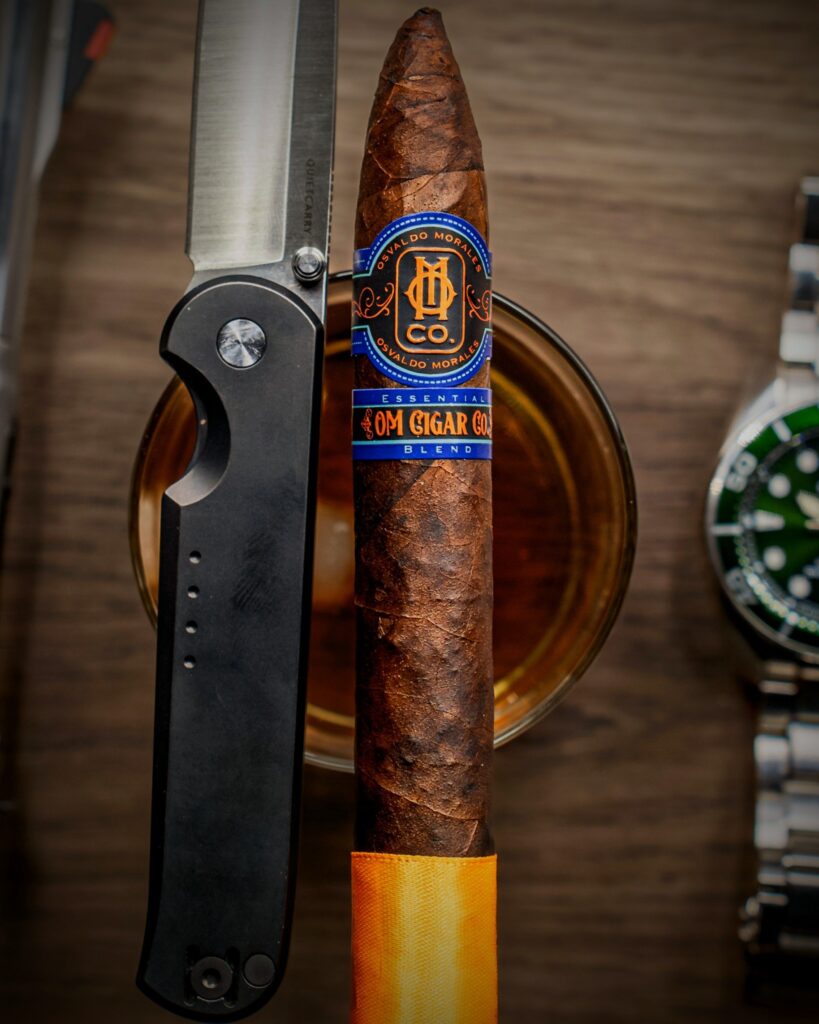
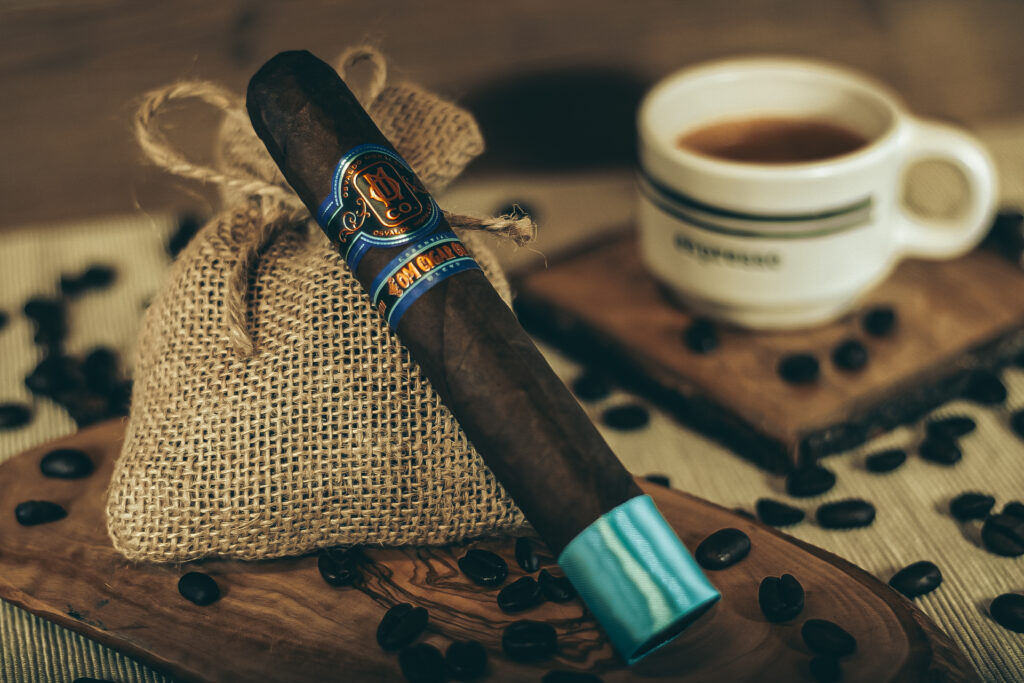
Broadleaf Cigars
Broadleaf cigars reward smokers who enjoy sweeter bass notes, deeper texture, and a more indulgent finish. They are not simply darker for the sake of looking darker. Their appeal comes from the richer way sweetness, earth, and structure meet in the smoke. In the O.M. collection, that often means paying attention to black cherry, charred oak, and dark cocoa before making a larger commitment. That kind of clarity helps smokers build a more personal rotation and gives gift buyers a stronger chance of getting the fit right the first time.
- broadleaf cigars
- broadleaf wrapper cigars
- broadleaf blend cigars
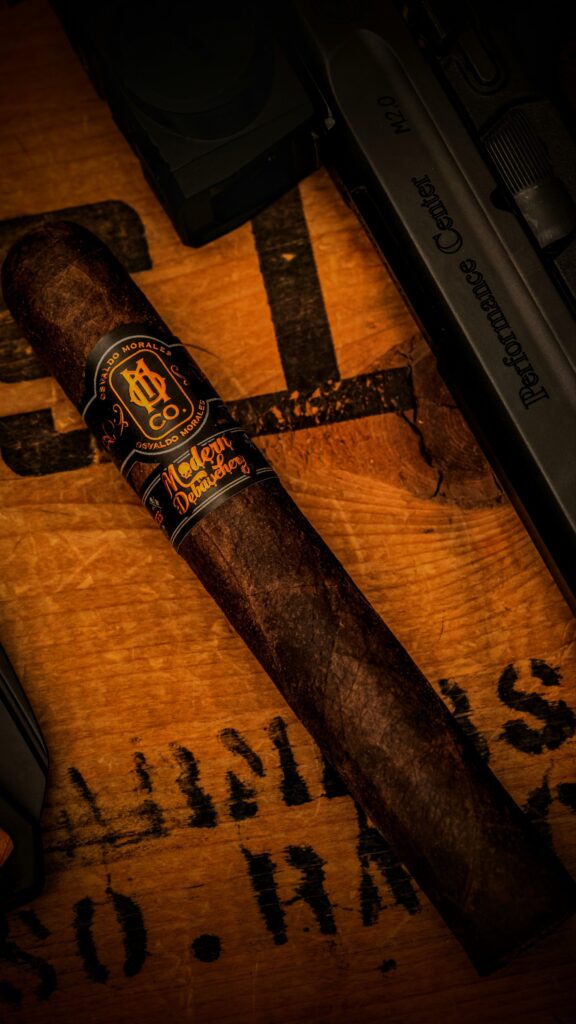
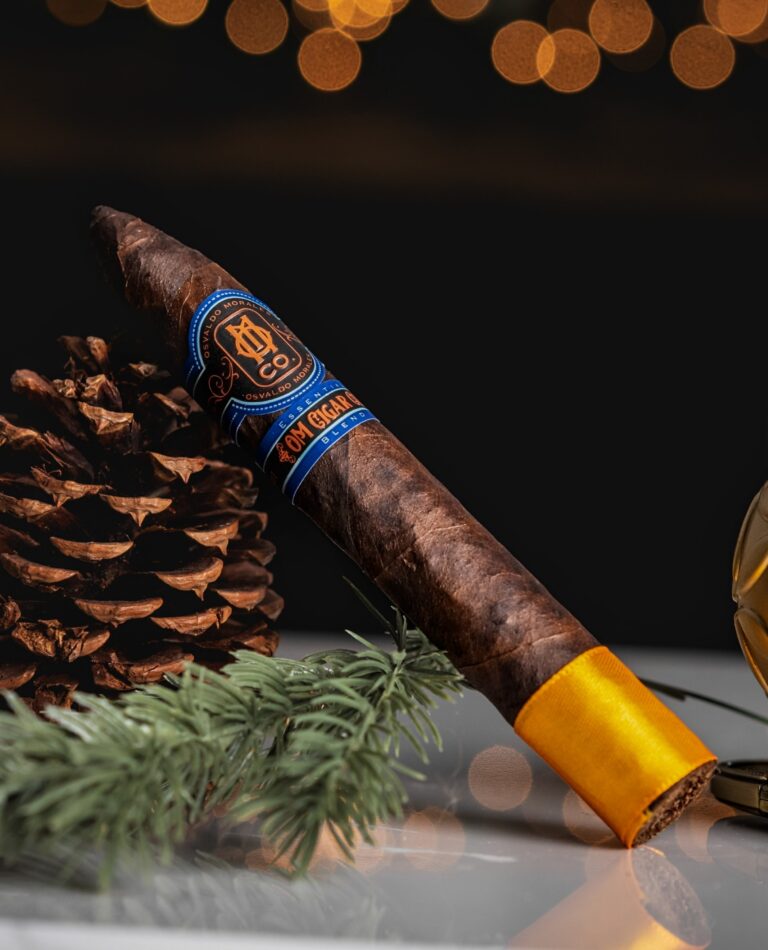
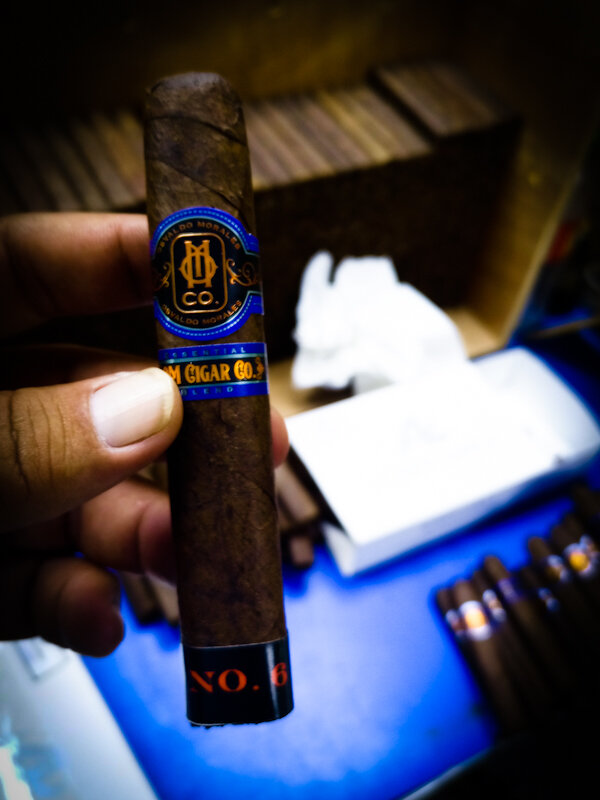
Start with the flavor family you want most, then let size and strength refine the final choice. A cleaner flavor read usually leads to a better cigar.
The closer you stay to broadleaf cigars, the easier it becomes to notice which direction already feels familiar and worth repeating.
Use discover the bold broadleaf side of om cigars when you want a practical comparison for the next O.M. choice without overthinking the full lineup.
Broadleaf cigars becomes easier to judge when the comparison stays grounded in flavor, format, and when you are most likely to smoke it.
What Broadleaf Changes From the First Draw
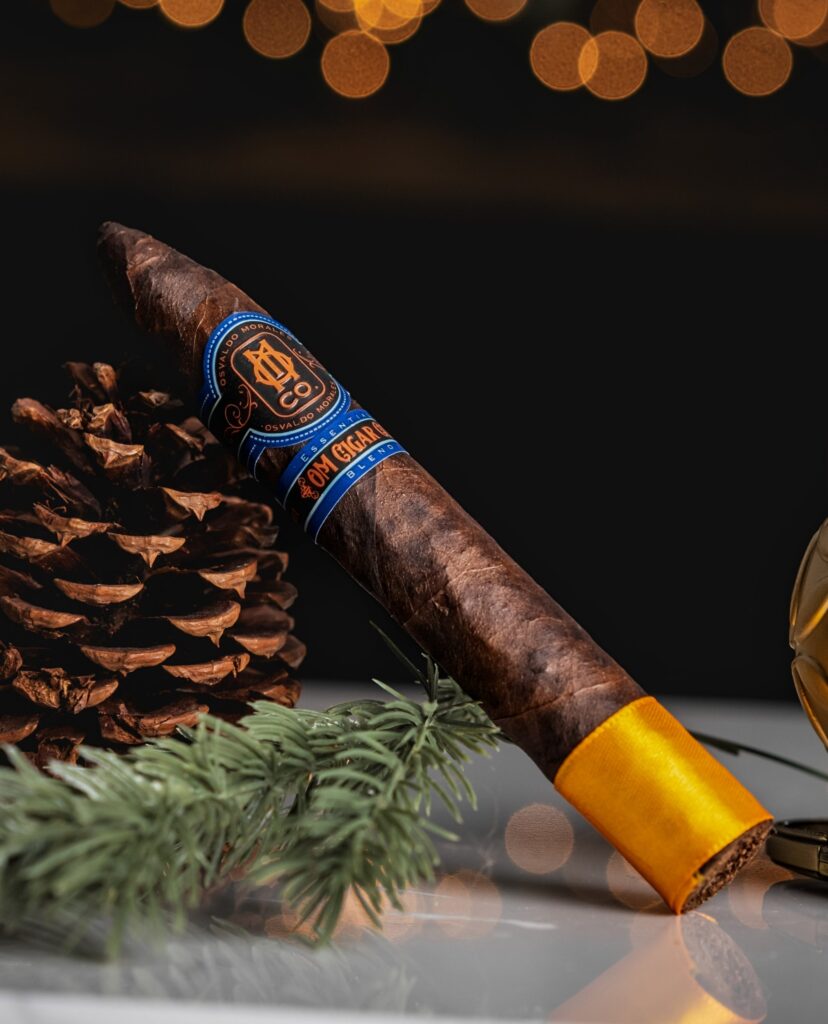
The profile becomes memorable because molasses, black cherry, and charred oak arrive with broad sweetness and collector appeal. Those notes matter because they create identity, not because they need to be chased like a tasting exercise. The result is a session that feels shaped and intentional rather than loud for the sake of being loud. It also explains why the same smoker may love one expression in this family and feel indifferent toward another.
Texture and pace carry as much weight as flavor, especially when the blend is known for heavy evening profile and rich medium-to-full body. Two cigars can share a similar strength reading and still feel completely different once the smoke reaches the palate. A cigar that fits your pace usually ends up feeling more luxurious than a cigar that only sounds impressive on paper. It also helps explain why better construction often feels like a bigger upgrade than a louder flavor description.
The strongest case for this style comes from process and selection, especially small-batch selection with deeper leaf character. It is also why small differences in leaf handling or aging can produce much bigger changes than a simple wrapper label suggests. That connection between process and payoff is what separates genuine premium value from empty luxury language. It is a useful reminder that premium value starts long before the cut and continues all the way through storage and smoking pace.
Why Broadleaf Appeals to Richer-Palate Smokers
The best fit usually appears when the smoker values collectors keeping a richer lane in the humidor and plans to use it for celebratory after-dinner moments. The style shows its value most clearly during celebratory after-dinner moments and late-night smoking. That practical awareness turns selection into something more personal and far less random. It is one reason seasoned smokers often keep several profiles on hand instead of forcing one cigar into every mood.
Timing matters here, especially in moments built around late-night smoking and celebratory after-dinner moments. Context matters because the same cigar can feel generous in one moment and oddly misplaced in another. This is one reason experienced smokers often talk about timing before they talk about price. Once you begin selecting that way, disappointment tends to drop quickly.
The safest pairings are usually port-style dessert pairings, dark rum, and single malt with restraint, because they leave enough room for the cigar to speak. The best companion often depends on whether you want to emphasize sweetness, spice, texture, or finish. Once you know the cigar clearly on its own, richer pairing choices become much easier to judge. A better pairing strategy usually leads to a more accurate buying strategy as well.
The O.M. Broadleaf Expression Worth Watching Closely
The O.M. lineup gives this style a practical shape through Modern Debauchery Broadleaf Action. Those cigars do not taste identical, but together they show how broadleaf cigars can express collector appeal, peppered sweetness, and thicker smoke texture in different ways. The benefit is practical: buyers can compare a real lane instead of trying to decode abstract descriptions. For shoppers who want variety with purpose, that is a much stronger place to start.
What stands out first is the combination of black cherry, charred oak, and earth. Those notes matter because they create identity, not because they need to be chased like a tasting exercise. When the construction is right, the smoke keeps enough structure for those notes to stay readable instead of collapsing into one dark blur. Once that character clicks, repeat buying becomes much more deliberate and much less random.
The smartest next step is to decide whether your ideal version of broadleaf cigars depends more on black cherry, collector appeal, and molasses. From there, the O.M. range gives you several sensible ways to follow that preference without drifting into random buying or repetitive orders that do not actually suit you. A tighter, more honest rotation usually delivers more satisfaction than a larger humidor filled without a plan. Once the fit is real, repeat orders become easier and regret tends to disappear.
When Broadleaf Fits the Humidor Better Than Brighter Styles
Broadleaf cigars and Habano cigars often attract the same buyer at first glance, yet they reward very different expectations once lit. Broadleaf cigars usually lean toward dark cocoa, thicker smoke texture, and charred oak, while Habano cigars lean toward clean finish, malted leather, and roasted nuts. That difference is enough to change not only flavor, but also pace, pairing choices, and the kind of finish that stays with the smoker. The comparison becomes much more useful once those differences are judged in real-session terms instead of abstract strength labels.
The cigar reveals its best side in settings such as cold-weather sessions and late-night smoking. In those situations, the blend’s pace and finish have room to feel intentional rather than rushed. This is one reason experienced smokers often talk about timing before they talk about price. A little attention to occasion often improves the result more than chasing a more expensive label.
The simplest decision rule is to choose this direction when you are building variety across wrapper families. If you want a contrasting experience, Habano cigars may suit you better. If not, this lane usually rewards commitment and repeat smoking. That kind of clarity turns one good session into a more reliable buying pattern. That is ultimately what makes premium cigar shopping feel calmer, sharper, and more rewarding.
What Collectors Appreciate About This Lane
A premium cigar earns trust when the craftsmanship behind it shows up in the smoke, not only in the description. Here that usually means wrapper oils and sweetness. When buyers understand that side of the process, they tend to choose more accurately and with more patience. In other words, the story is useful only when it can be tasted, felt, or trusted in the burn. This is where boutique production can feel genuinely different from buying by catalog size alone.
Storage and handling shape the final experience more than many buyers expect, especially when pairing it with something sweeter than the cigar itself. Humidity swings, careless transport, and rushed smoking can blur what should have been a clear, memorable profile. A calmer, more consistent setup protects both flavor and construction far better than improvisation. The reward is not only freshness, but a more accurate sense of what the blend is really offering.
This kind of cigar suits enthusiasts exploring beyond Habano especially well. That fit becomes even clearer in moments such as celebratory after-dinner moments and cold-weather sessions. That practical awareness turns selection into something more personal and far less random. The more honestly a buyer matches fit to circumstance, the better the overall smoking experience becomes.
How to Shop Broadleaf More Intelligently
Most disappointment here comes from small avoidable errors, such as pairing it with something sweeter than the cigar itself. Those missteps blur the difference between a great fit and a poor one, which makes good cigars seem less distinct than they really are. Once those basics are handled properly, the cigar has a fair chance to show what it was built to do. That is why so many experienced smokers return to the same practical fundamentals no matter how advanced their collection becomes.
The simplest decision rule is to choose this direction when you want sweetness with authority. The goal is not to find the most impressive description. It is to find the cigar you will genuinely want to smoke again. That kind of clarity turns one good session into a more reliable buying pattern. It also makes every later purchase more informed than the one before it.
Better buying usually begins once you can describe what you most want from broadleaf cigars, whether that is thicker smoke texture, broad sweetness, and black cherry. Once that preference is clear, browsing the O.M. range becomes more focused and far less dependent on guesswork. A tighter, more honest rotation usually delivers more satisfaction than a larger humidor filled without a plan. Once the fit is real, repeat orders become easier and regret tends to disappear.
A Final Buying Note
The smartest next step is to decide whether your ideal version of broadleaf cigars depends more on humidor-worthy richness, dark cocoa, and deep finish. From there, the O.M. range gives you several sensible ways to follow that preference without drifting into random buying or repetitive orders that do not actually suit you. That kind of discipline makes premium buying feel sharper, calmer, and more personal. When that happens, even a smaller humidor starts to feel more carefully curated and far more rewarding.
Questions about broadleaf cigars
What do Broadleaf cigars usually taste like?
Broadleaf often leans toward deep sweetness, earth, cocoa, and a heavier texture on the palate. When the blend is balanced well, that richness feels layered rather than blunt, which is why Broadleaf has such a strong following among buyers who enjoy darker profiles.
Do Broadleaf cigars suit everyday smoking?
They can, but it depends on what you enjoy day to day. If you like a denser, sweeter finish and do not mind a more substantial feel, Broadleaf can fit regular rotation well. If you prefer a brighter, faster-moving profile, it may feel better as an occasional choice.
How does Broadleaf differ from Habano?
Habano usually feels sharper and more lifted, while Broadleaf often feels sweeter, darker, and more textured. The easier choice depends on whether you want cedar-and-spice definition or a rounder, deeper finish that lingers longer after the draw.
What is the easiest way to test Broadleaf without overbuying?
Start with a small-format comparison or a sampler built around contrasting wrapper families. That gives you a cleaner read on whether Broadleaf’s sweetness and weight feel satisfying enough to deserve more space in your regular rotation.
Continue with confidence
Use the next step that best matches your preferred blend character, format, and smoking rhythm.
Discover the bold broadleaf side of OM Cigars
Put taste, finish, and body ahead of size so the next cigar feels right from the first draw.
Choose the format that fits your usual pace and the time you actually have to enjoy it.
Use the closest O.M. cigar or blend next and keep the decision focused instead of trying to judge everything at once.