Uncategorized
How Essential Blend No. 3 Builds Flavor Without Turning Aggressive

Apr
How Essential Blend No. 3 Builds Flavor Without Turning Aggressive
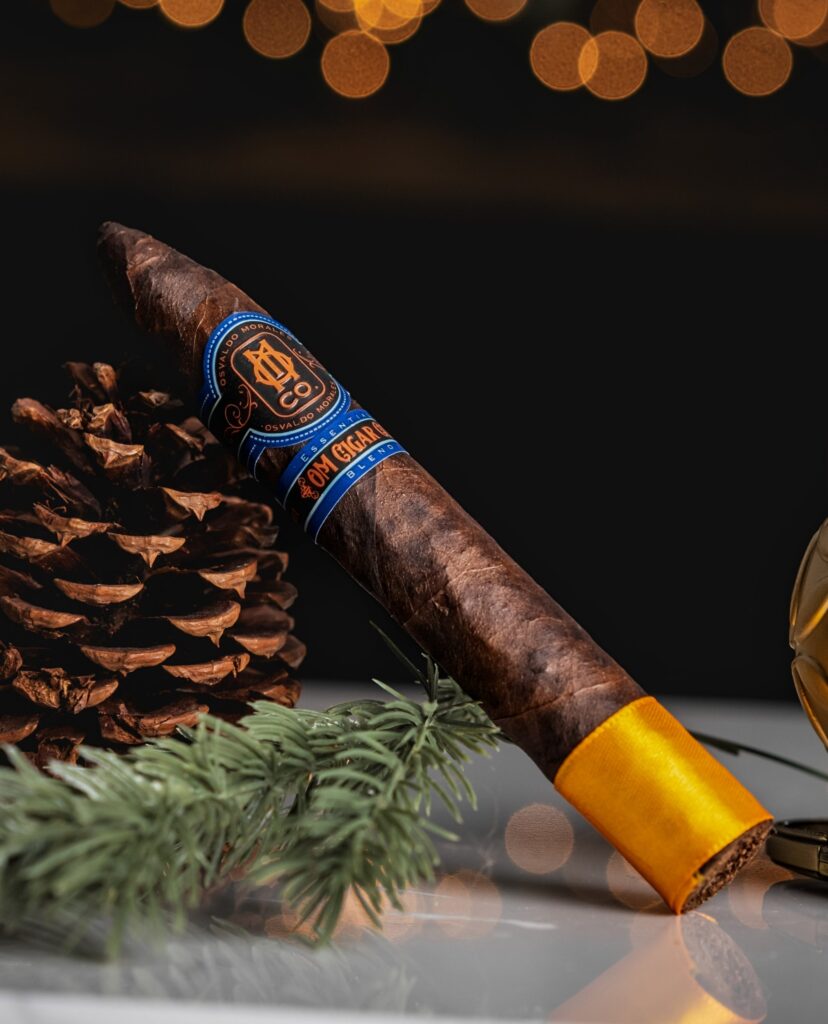
Essential Blend No. 3 is the kind of cigar that often changes a smoker’s idea of what a flavorful blend needs to feel like. Many people still expect intensity and aggression to travel together. If the profile has spice, floral notes, cedar, cocoa-like softness, and a longer aromatic finish, they assume the cigar must also push hard on the palate. No. 3 proves otherwise. It can show apple-butter depth, ginger, clove, white pepper, and peanut-like cedar character without ever feeling like it is forcing the issue.
- Essential Blend No. 3 cigar
- mellow complex cigar
- balanced Dominican blend cigar


The fastest way to understand Essential Blend No. 3 cigar is to focus on the few differences that genuinely change the smoking experience.
A better comparison keeps flavor, body, and rhythm clear instead of turning the choice into guesswork.
When the direction already feels right, see how essential blend no. 3 fits inside the dominican blend path is usually the smartest next step.


That is a valuable lesson because balance is often discussed in vague terms. In a practical sense, balance means the cigar keeps revealing itself while letting the smoker stay relaxed. No. 3 does that well. Its complexity never depends on a punishing burn, a harsh edge, or a finish that exhausts the mouth. Instead, it builds flavor by controlling how the blend layers sweetness, spice, and texture. For many smokers, that kind of control is what turns a good cigar into one worth remembering.
What ‘Flavor Without Aggression’ Really Means
A cigar does not need to feel mild to avoid aggression. Some of the most satisfying premium smokes carry plenty of body and still remain civilized. The difference is in how the notes arrive. Aggressive cigars often crowd the palate all at once or lean so heavily on pepper and strength that everything else becomes background noise. Essential Blend No. 3 takes the opposite approach. Its flavor arrives in steps. The sweetness, spice, cedar, and aromatic lift remain distinct enough to feel layered rather than stacked on top of each other.
That difference changes the whole session. Instead of feeling like the cigar is trying to dominate the smoker, No. 3 feels like it is inviting closer attention. It becomes easier to notice the way one note fades while another expands. That pacing is one of the quiet luxuries of a balanced blend. It gives the smoker more actual experience, not just more impact.
How the Blend Creates That Balance
Part of the answer lies in the composition itself. No. 3 brings together a Criollo core, a Dominican Habano wrapper, and supporting leaves that add depth without muddying the line of the smoke. The result is a cigar with enough structure to hold spice and enough softness to keep the spice from taking over. Floral touches and that apple-butter warmth do important work here. They round the profile without making it sweet in a dessert-like way.
The binder and filler choices matter just as much. When a blend includes wood, spice, and aromatic nuance, one overly dominant component can collapse the whole thing into heat or dryness. No. 3 avoids that. Its cedar note steadies the smoke, while the spice remains expressive instead of abrasive. That is why the cigar can feel both flavorful and composed even as it develops.
Why the Texture Matters as Much as the Flavor
Smokers often talk about notes first and forget texture, yet texture is one of the main reasons a cigar reads as balanced or aggressive. Essential Blend No. 3 tends to carry itself with a softer, more polished mouthfeel than many blends with similar complexity. That matters because the palate interprets texture before it can fully sort flavor. If the smoke feels rough, the blend is already working against itself.
Here, the more velvety body helps the cigar hold onto its elegance. Spice feels articulated rather than sharp. Wood feels supportive rather than dry. The finish lingers, but it does not scrape. That combination is a large part of why No. 3 can appeal to smokers who want more flavor than a beginner cigar yet are not interested in the abrasive side of full-bodied smoking.
Pace Can Either Reveal the Cigar or Distort It
No. 3 rewards a measured cadence. Smoke it too quickly and the spice begins to stand out more than it should. Give it a steadier pace and the blend opens with much better proportion. This is not unusual among cigars with layered aromatic character, but it is especially worth remembering here because the cigar’s value lies in refinement. Rushing it turns the whole experience into a less accurate version of itself.
That also makes No. 3 a strong example for smokers who are learning how much their own rhythm affects what they taste. A balanced cigar teaches habits. It shows that slower smoking is not about etiquette. It is about allowing the leaf to speak in the order the blender intended. When that happens, No. 3’s complexity becomes easier to trust.
Who Tends to Appreciate It Most
This cigar often lands well with smokers who want to move deeper into premium blends without turning every smoke into a test of tolerance. It is especially attractive for those who enjoy nuance, transition, and aromatic lift. If you like the idea of spice but not spice for its own sake, No. 3 is often an excellent fit.
It also suits experienced smokers who have grown past the need for brute force. Once someone has had enough cigars, the question is rarely whether a blend can go bigger. The better question is whether it can stay interesting while remaining composed. No. 3 answers that better than many cigars that sound more intense on paper.
How to Get the Best Read on It
A calmer pairing usually gives this cigar the best stage. Coffee, a lighter spirit, or simply good water often lets the floral, woody, and spice elements stay more legible. The goal is not to under-pair it, but to keep the surrounding choices from flattening the subtle work the blend is doing. It is also a good cigar for smoking when the palate is relatively fresh. Too much sweetness, salt, or stronger cigar residue beforehand can blur the balance.
Approached that way, No. 3 becomes easier to understand and easier to admire. It shows that complexity can be generous instead of punishing. More importantly, it reminds the smoker that a premium cigar does not need to shout to leave a lasting impression.
Why Balanced Cigars Get Misread So Easily
Balanced cigars are sometimes undervalued because they do not make their case through force. A smoker used to measuring quality by intensity may initially miss how much skill it takes to keep spice, sweetness, cedar, and aroma in proportion. No. 3 is the kind of cigar that benefits from a second, more patient read for exactly that reason.
There is also a tendency to confuse calm delivery with reduced complexity. In truth, a cigar can seem more complex when it is balanced because the palate can separate the pieces more easily. Harshness does not increase information. It usually masks it. No. 3 proves that clarity can be more revealing than volume.
Why No. 3 Matters in a Smarter Rotation
A humidor made only of louder cigars eventually narrows the smoker’s range of enjoyment. No. 3 helps correct that. It occupies the important middle ground where nuance is strong, the body is satisfying, and the profile stays civil. That makes it a bridge cigar in the best sense: one that can connect simpler blends to more ambitious smoking without turning the journey into a shock.
For many smokers, that role becomes more valuable over time. As taste matures, the question stops being whether a cigar can go harder and becomes whether it can do more with better control. No. 3 answers that question convincingly, which is why it deserves a stable place in a thoughtful premium rotation.
What to Watch for in the Finish
The finish is often where No. 3 proves what kind of cigar it is. Instead of ending in roughness, it tends to leave a more aromatic and polished impression that keeps the spice connected to the rest of the blend. That longer, softer carry is one of the clearest signs the cigar was built for balance.
A smoker who pays attention to the finish learns quickly whether the cigar is truly complex or simply busy. No. 3 tends to reward that attention because the after-impression remains part of the experience rather than a harsh leftover from it.
Why This Matters for Buyers, Not Just Tasters
Balanced cigars are easier to buy intelligently because they reveal whether you enjoy complexity itself or only the image of intensity. No. 3 helps clarify that difference. A smoker who enjoys it usually learns something important about taste, not just about one product.
That self-knowledge tends to reduce buying mistakes. Once you know you value layered, civil complexity, many later cigar decisions become easier and far less dependent on hype or strength labels.
Questions about Essential Blend No. 3 cigar
Is No. 3 mild?
Not really. It is better described as balanced and layered. It offers plenty of flavor, but the delivery stays composed rather than sharp or forceful.
Why does it feel different when smoked slowly?
Because the blend is built around proportion. A steadier cadence gives the cedar, spice, floral lift, and softer finish room to stay in balance instead of bunching together.
Who should try it first?
Smokers who want complexity without harshness usually get the most from it. It is especially rewarding for anyone moving from straightforward blends into more nuanced premium profiles.
Continue with confidence
If this direction feels right, the next step is to compare the closest O.M. option against your usual smoking habits.
See how Essential Blend No. 3 fits inside the Dominican blend path
The strongest insight is usually the one that changes how you compare the next cigar, not the one that adds the most noise.
Flavor direction, wrapper family, or format will tell you more than a broad guess across too many options.
Move toward the O.M. cigar or blend that already sounds closest to your usual habits, then refine from there.