
Uncategorized
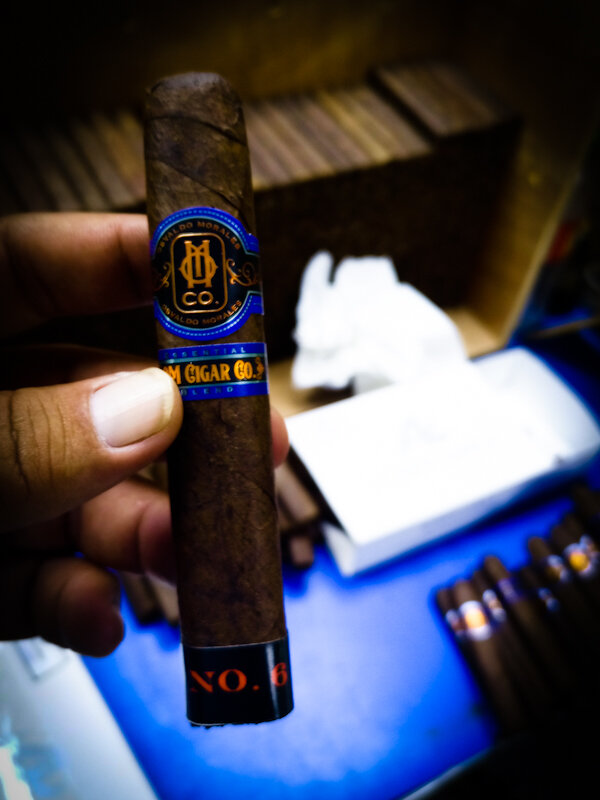
How to Approach Essential Blend No. 6 Without Rushing the Experience
Apr
How to Approach Essential Blend No. 6 Without Rushing the Experience
Essential Blend No. 6 is not the kind of cigar that benefits from being treated like just another slot in the evening. Its appeal is tied to age, rarity, and a profile that asks for a little more patience than most smokers are used to giving. That does not mean the experience needs to become stiff or ceremonial. It simply means the cigar performs best when the smoker stops trying to consume it and starts trying to read it. With a release this limited, that shift in approach matters.
- Essential Blend No. 6 cigar
- rare aged cigar
- limited OM cigar experience

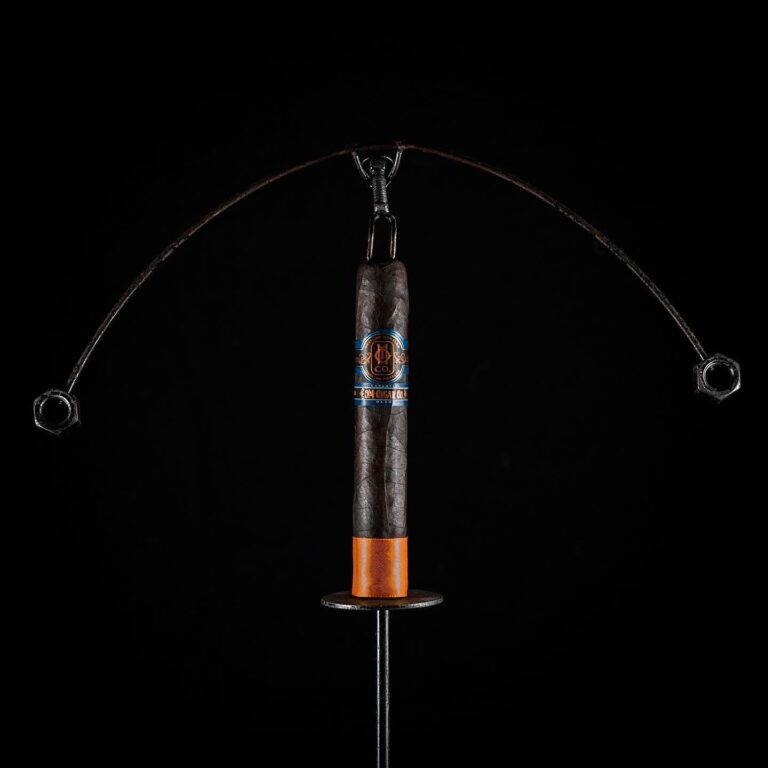
The fastest way to understand Essential Blend No. 6 cigar is to focus on the few differences that genuinely change the smoking experience.
A better comparison keeps flavor, body, and rhythm clear instead of turning the choice into guesswork.
When the direction already feels right, see how essential blend no. 6 fits inside om’s rarer releases is usually the smartest next step.
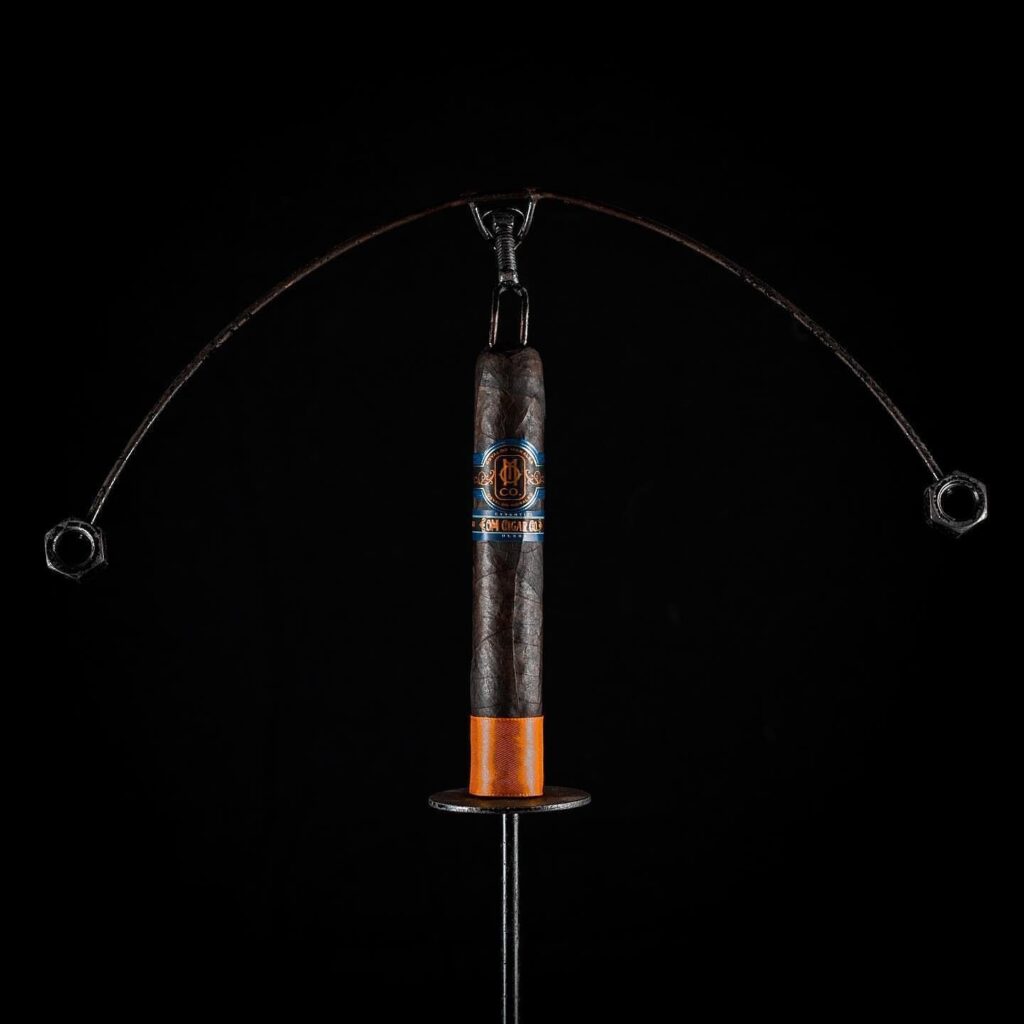
The flavor cues alone suggest why. Hickory, pecan, chicory-like depth, honeysuckle, brighter edges, and a composed yet medium-full structure are not the signs of a cigar that should be hurried through while distracted. No. 6 rewards time because part of its personality appears in the spacing between impressions. Smoke it too quickly, and the profile begins to feel more angular than it really is. Approach it with patience, and its elegance becomes much easier to recognize.
Why Rare Cigars Deserve a Different Mindset
Scarcity can make smokers do strange things. Some light a rare cigar too fast because they are excited to get to the point. Others overprotect the experience so much that they never relax enough to enjoy it. Both reactions miss what makes a cigar like No. 6 special. Rare does not mean untouchable. It means the smoke deserves honesty. The goal is not to perform appreciation. The goal is to create conditions where appreciation can happen naturally.
That is especially true with a blend whose strength lies in refinement rather than spectacle. Essential Blend No. 6 has enough body to satisfy, but its greater value lies in the way its notes separate and rejoin across the session. A hurried smoker often registers only the sharper contours. A patient smoker gets the full shape.
Start With the Setting Before the First Cut
This cigar benefits from a quieter frame. A clean drink, comfortable chair, stable weather if you are outside, and enough uninterrupted time all help far more than most accessories ever will. The reason is simple: No. 6 does not rush its best material. It unfolds. If the phone keeps interrupting, the room is loud, or the smoker is mentally half-elsewhere, much of the point is lost.
It also helps to let the cigar settle to the room for a moment before lighting. Rare, aged cigars often reveal themselves more clearly when nothing about the setup feels abrupt. That small pause before the cut can do more for the eventual read than chasing the perfect flame source or trying to script the session too tightly.
What to Notice Early Instead of Smoking for Power
The opening minutes of No. 6 are a good place to listen for structure rather than hunt immediately for strength. The hickory-like wood, subtle sweetness, and firmer edges tell you more about the cigar than any attempt to classify it too quickly on a strength scale. Smokers sometimes rush past this stage because they want the profile to peak immediately. With No. 6, the smarter move is to notice how the smoke settles in your mouth and what kind of rhythm it is asking for.
That early rhythm becomes a guide for everything that follows. If the cigar feels brisk and elegant, trust it. Do not try to force heaviness onto it through fast puffs or oversized pairings. If the sweeter and floral aspects begin to show, that is a sign the cigar is opening correctly. Those quieter details are not side notes. They are part of the cigar’s identity.
Cadence Is the Difference Between Precision and Fatigue
A measured cadence is the most important practical decision with No. 6. Because the cigar carries age and a more intricate profile, over-smoking it can crowd the palate and make the sharper notes dominate. Under the right pace, the profile feels lean in a refined way. Under the wrong pace, it can feel needlessly stern. The difference is not the cigar changing character. It is the smoker changing the conditions.
This is one reason a rare cigar can teach a great deal about smoking habits. It shows whether a person is actually tasting or just consuming. With No. 6, a little extra time between draws is not an exercise in discipline for its own sake. It is the fastest way to getting the cigar the way it was meant to read.
Pairings Should Support the Architecture, Not Fight It
A rarer release often tempts smokers to pair bigger, but No. 6 usually benefits from restraint. A cleaner pour, a structured spirit without too much sugar, or even a carefully chosen coffee works better than anything syrupy or overwhelming. The cigar already has enough nuance in it. What it needs from a pairing is space. That is especially true if you want to notice the way wood, brightness, and softer aromatic notes interact over time.
Food beforehand matters as well. A very sweet dessert or heavily seasoned meal can push the palate away from the cigar’s finer edges. If No. 6 is meant to be the main event, letting the mouth return closer to neutral can make the session much more rewarding.
How to Decide Whether to Smoke It Now or Hold It
Because No. 6 is scarce, many smokers wonder whether every stick should be saved. The better question is whether you have the right moment for it. If the answer is yes, there is little sense in turning a living cigar into a museum piece. A cigar built to be smoked is most fully honored in use, not in permanent delay. The key is simply to choose a night that gives it proper room.
If the moment is rushed, noisy, or emotionally off, waiting can be wise. But the purpose of waiting is not to create pressure. It is to find a more suitable occasion. Once that is clear, No. 6 becomes easier to approach: not as an object of anxiety, but as a rare cigar that deserves calm attention.
How Rare Releases Change the Way You Taste
A rare cigar often makes the smoker more self-conscious, and that alone can change the session. Some people start hunting for every possible note because they feel they need to justify the rarity. Others become guarded and stop relaxing into the smoke. No. 6 is better approached with curiosity than pressure. Letting the cigar reveal itself naturally produces a truer experience than trying to force significance into every draw.
That mindset matters because aged, limited cigars often communicate through texture, pacing, and integration as much as through flavor notes. If the smoker is too busy scoring the experience in real time, those quieter traits can disappear. A looser but attentive posture usually produces the better memory.
What to Do After the Smoke Is Over
Rare cigars deserve reflection afterward, not because the smoker needs to perform expertise, but because memory fades quickly. A few honest notes about pace, mood, pairing, and what actually stood out can be more useful than any attempt at elaborate tasting poetry. This helps if more than one stick is in the humidor, because the next session can begin from real observation rather than vague recollection.
It also clarifies whether the cigar was best suited to solitude, company, earlier evening, later evening, lighter pairing, or a cleaner palate. That kind of learning is part of what justifies lighting a scarce release. The cigar gives pleasure in the moment and better judgment for the next time.
Why Slower Smoking Makes the Rarity More Worthwhile
Rarity only becomes meaningful if the cigar has a chance to show why it is rare. Smoking more slowly is not about stretching the time for appearances. It is about increasing the percentage of the cigar you actually understand while it is happening. A scarce release deserves that kind of honesty.
No. 6 especially benefits from this because part of its attraction lies in how it carries age and poise rather than just weight. When the pace is right, the cigar feels earned. When the pace is rushed, part of that value slips away unnecessarily.
What a Second Stick Can Teach That the First One Cannot
If more than one stick is available, the second experience is often even more valuable than the first. The pressure is lower, the smoker already knows the cigar’s general pace, and smaller details become easier to catch. Rare cigars often reveal themselves more fully once the sense of occasion relaxes a little.
That is another reason not to race through the first one trying to win some kind of complete understanding. A better approach is to let the first session establish the relationship, then use the next one to deepen it.
Questions about Essential Blend No. 6 cigar
Does this cigar need a special occasion?
Not necessarily. It needs a suitable occasion. Quiet attention matters more than external significance.
Should it be paired with the strongest drink available?
Usually no. A cleaner pairing lets more of the cigar’s layered character remain visible.
What is the biggest mistake with No. 6?
Trying to force drama out of it too quickly. The cigar offers depth through pacing, not through instant overload.
Continue with confidence
If this direction feels right, the next step is to compare the closest O.M. option against your usual smoking habits.
See how Essential Blend No. 6 fits inside OM’s rarer releases
The strongest insight is usually the one that changes how you compare the next cigar, not the one that adds the most noise.
Flavor direction, wrapper family, or format will tell you more than a broad guess across too many options.
Move toward the O.M. cigar or blend that already sounds closest to your usual habits, then refine from there.
