
Uncategorized
Essential Blend No. 1 vs No. 2: Habano Richness or San Andrés Depth?
Apr
Essential Blend No. 1 vs No. 2: Habano Richness or San Andrés Depth?
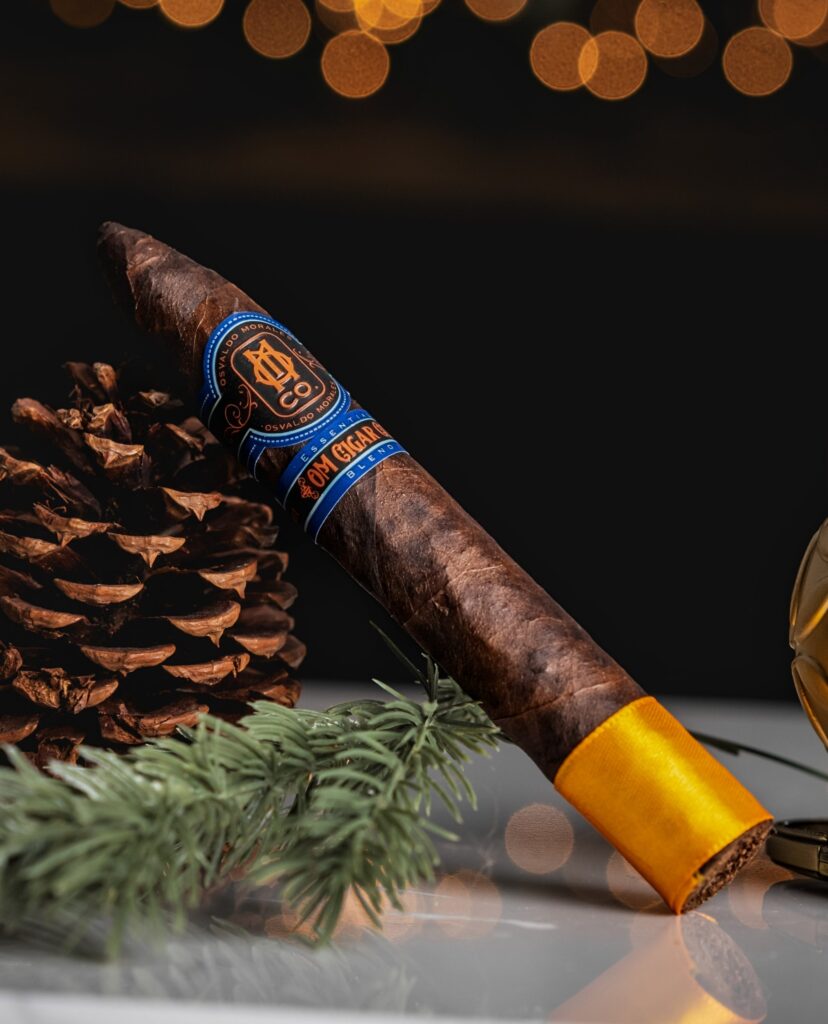
Essential Blend No. 1 and Essential Blend No. 2 can both feel premium, but they answer different cravings. One tends to lean toward malted leather, cedar, and citrus peel, while the other is better known for more after-dinner weight, dense smoke texture, and darker finish. The smarter comparison is not about which one is universally better. It is about which profile suits your palate, your timing, and the kind of finish you want to remember. That is where a side-by-side look becomes far more useful than a simple strength label.
- Essential Blend No. 1 vs No. 2
- habano vs san andres OM cigars
- OM blend comparison
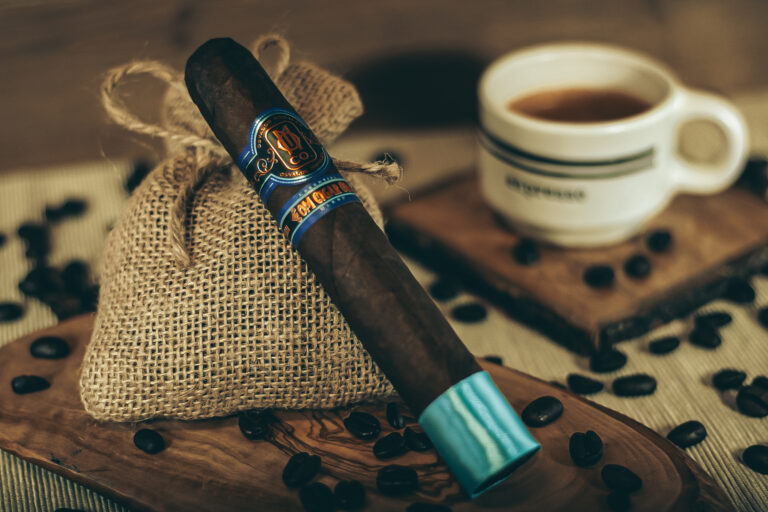
The fastest way to understand Essential Blend No. 1 vs No. 2 is to focus on the few differences that genuinely change the smoking experience.
A better comparison keeps flavor, body, and rhythm clear instead of turning the choice into guesswork.
When the direction already feels right, compare om’s first two core blend paths is usually the smartest next step.
What Both Options Do Well
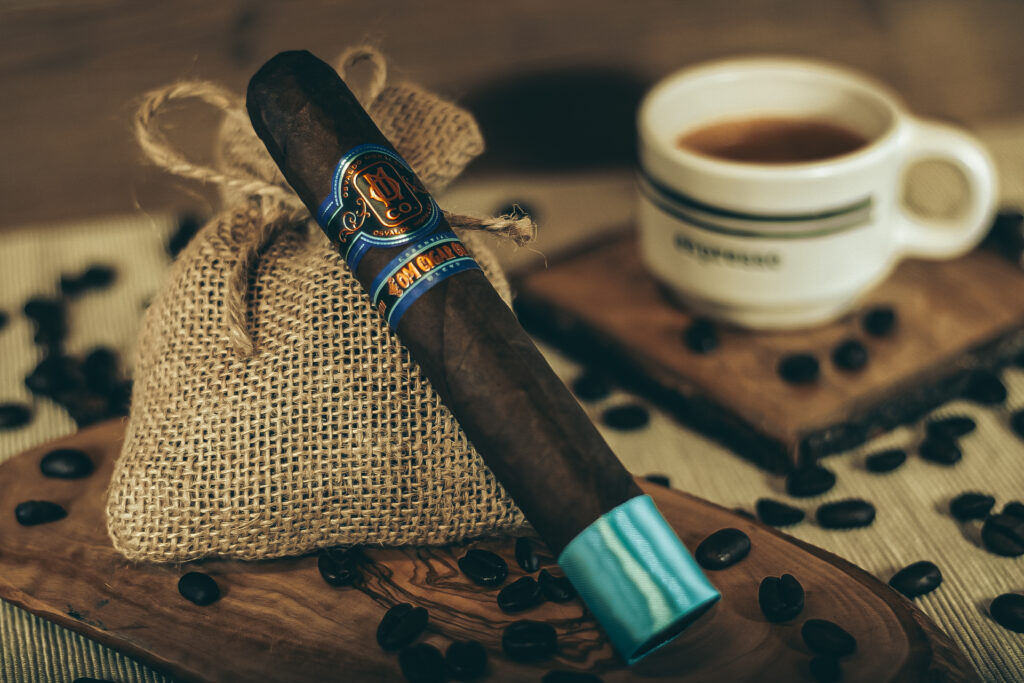
Essential Blend No. 1 and Essential Blend No. 2 often attract the same buyer at first glance, yet they reward very different expectations once lit. Essential Blend No. 1 usually lean toward clean start, citrus peel, and cedar, while Essential Blend No. 2 lean toward coffee, more after-dinner weight, and dense smoke texture. That difference is enough to change not only flavor, but also pace, pairing choices, and the kind of finish that stays with the smoker. The comparison becomes much more useful once those differences are judged in real-session terms instead of abstract strength labels.
The strongest case for this style comes from process and selection, especially the profile sits in the brighter, more aromatic side of the OM range. It is also why small differences in leaf handling or aging can produce much bigger changes than a simple wrapper label suggests. The best premium cigars turn craftsmanship into something visible in the ash, draw, and flavor progression. It is a useful reminder that premium value starts long before the cut and continues all the way through storage and smoking pace.
The most useful way to read this style is through malted leather, cocoa butter, and cedar, all held together by tidy finish and clean start. Together, those signals make the cigar easier to remember and easier to compare honestly against other options. A well-made example keeps those flavors separated just enough that the smoker can notice progression without working too hard for it. That is exactly why small differences in wrapper style or aging can completely change which cigar becomes a personal favorite.
The Biggest Flavor Differences
In body and texture, Essential Blend No. 1 are more about structured middle and clean start, whereas Essential Blend No. 2 tend to emphasize darker finish and more after-dinner weight. Two cigars can sit near each other on a strength spectrum and still feel worlds apart because the smoke moves differently across the palate. That is why experienced smokers compare rhythm and finish, not just intensity. Once you notice those shifts, the comparison becomes less theoretical and much more useful at checkout.
The profile becomes memorable because citrus peel, malted leather, and cedar arrive with structured middle and clean start. Together, those signals make the cigar easier to remember and easier to compare honestly against other options. A well-made example keeps those flavors separated just enough that the smoker can notice progression without working too hard for it. Once that character clicks, repeat buying becomes much more deliberate and much less random.
Body matters here because the cigar is meant to feel tidy finish and clean start rather than simply strong. Two cigars can share a similar strength reading and still feel completely different once the smoke reaches the palate. That more complete read helps separate a merely acceptable smoke from one you will want again. When the rhythm is right, the cigar gives the smoker more room to notice everything else.
How Body, Texture, and Finish Change
Essential Blend No. 1 often fit smokers who want buyers curious about Habano without wanting a syrupy profile, while Essential Blend No. 2 may suit smokers who want deeper sweetness and darker bass notes. In practical terms, one shines during early evening smoke and first cigar after a long day, and the other comes alive in moments such as cooler weather sessions and after dinner. Choosing well is mostly about recognizing which setting sounds more like your real life. That decision-making habit often matters more than trying to memorize every tasting note in advance.
It tends to work best for buyers curious about Habano without wanting a syrupy profile and smokers who enjoy clarity and spice. The style shows its value most clearly during coffee-driven sessions and first cigar after a long day. That practical awareness turns selection into something more personal and far less random. It is one reason seasoned smokers often keep several profiles on hand instead of forcing one cigar into every mood.
This profile makes the most sense during early evening smoke and coffee-driven sessions. Context matters because the same cigar can feel generous in one moment and oddly misplaced in another. It is also why a great cigar can underperform when it is smoked in the wrong mood or window of time. Once you begin selecting that way, disappointment tends to drop quickly.
Who Usually Prefers Each
The safest pairings are usually espresso, morning coffee that stretches into late afternoon, and aged rum in small pours, because they leave enough room for the cigar to speak. Overly sweet or overly intense companions can flatten nuance and make two very different cigars feel oddly similar. That is why many experienced smokers use coffee or water as a baseline before experimenting further. That small discipline can save a buyer from blaming the cigar for what was really a pairing mismatch.
In practical O.M. buying terms, Essential Blend No. 1 is one of the clearest ways into cedar, sweet spice, and citrus peel. It makes the most sense when the smoker wants smokers who enjoy clarity and spice and plans for coffee-driven sessions. A side-by-side look against Essential Blend No. 3 and Essential Blend No. 2 often makes its character easier to understand. This is exactly how one strong cigar can sharpen the rest of the buying journey.
A better understanding of process starts with the way spice and cedar stay distinct instead of muddy and ends with a more accurate read of flavor. Seen that way, premium value becomes easier to spot because the cigar starts to feel built rather than merely branded. For buyers, the advantage is simple: better process awareness leads to better choices. In a boutique setting, those details are often exactly what create the difference between familiar and memorable.
Which Situations Favor One Over the Other
Most disappointment here comes from small avoidable errors, such as let it rest after shipping before judging the first draw. Those missteps blur the difference between a great fit and a poor one, which makes good cigars seem less distinct than they really are. A slower, more observant approach usually corrects most of those issues on its own. Most premium disappointments turn out to be avoidable once the session is set up with a little more care.
Condition still matters after purchase, which is why let it rest after shipping before judging the first draw deserves attention. Humidity swings, careless transport, and rushed smoking can blur what should have been a clear, memorable profile. A calmer, more consistent setup protects both flavor and construction far better than improvisation. The reward is not only freshness, but a more accurate sense of what the blend is really offering.
A smart way to decide is to ask whether you want malted leather, structured middle, and citrus peel or something that leans in another direction. If you want a contrasting experience, Essential Blend No. 2 may suit you better. If not, this lane usually rewards commitment and repeat smoking. When the fit is right, the cigar feels less like a gamble and more like a dependable part of the ritual. That is ultimately what makes premium cigar shopping feel calmer, sharper, and more rewarding.
How to Make the Smarter Choice
If you value cedar, sweet spice, and clean start, start with Essential Blend No. 1. If you would rather lean into dense smoke texture, more after-dinner weight, and coffee, Essential Blend No. 2 will probably feel like the smarter pick. Neither option is wrong. The better choice is simply the one that matches the session you actually want. Once that is clear, buying becomes calmer and the difference between the two becomes much easier to appreciate.
If Essential Blend No. 1 interests you, the smartest move is to smoke it without hurry and judge whether its flavor and rhythm feel like something you want back in the humidor. That first honest read makes later comparison against Essential Blend No. 3 and Essential Blend No. 2 much more meaningful. A better next order usually grows out of that clear first read. The point is not to chase novelty. It is to learn what deserves a return visit.
Essential Blend No. 1 earns its place in the O.M. lineup through clean start, tidy finish, and citrus peel. It tends to reward buyers curious about Habano without wanting a syrupy profile most clearly, especially in moments built around early evening smoke. Smokers who want a neighboring lane can compare it with Essential Blend No. 2 and Essential Blend No. 3 without losing the O.M. thread. This is exactly how one strong cigar can sharpen the rest of the buying journey.
A Calm Final Word
If Essential Blend No. 1 interests you, the smartest move is to smoke it without hurry and judge whether its flavor and rhythm feel like something you want back in the humidor. If it does, it can anchor a stronger rotation around Essential Blend No. 3 and Essential Blend No. 2 rather than leaving you to guess on the next order. A better next order usually grows out of that clear first read. It keeps the focus on fit and enjoyment, which is where premium cigar buying becomes most satisfying.
Questions about Essential Blend No. 1 vs No. 2
Which option is easier to appreciate first?
It tends to reward buyers curious about Habano without wanting a syrupy profile and smokers who enjoy clarity and spice most clearly. It is especially rewarding during early evening smoke and first cigar after a long day, when its balance and pace have room to come through clearly. That does not exclude anyone else. It simply means the fit becomes more obvious in those settings.
Does the stronger-looking option always fit better?
Strength alone is not the best measuring tool. A cigar known for cocoa butter, tidy finish, and citrus peel may feel fuller, calmer, or more refined without becoming harder to enjoy. That is why body, finish, and smoking pace should be judged alongside raw intensity. For most buyers, fit matters more than absolute power.
What is the smartest next purchase after a good comparison?
If you want a practical starting point, begin with Essential Blend No. 1. Each one shows a slightly different side of Essential Blend No. 1, so the smartest move is to begin with the fit that matches your usual session style. That gives you a reference point before moving toward stronger, darker, rarer, or more experimental choices. Within the broader question of essential blend no. 1, the value of that detail becomes easier to appreciate.
Continue with confidence
If this direction feels right, the next step is to compare the closest O.M. option against your usual smoking habits.
Compare OM’s first two core blend paths
The strongest insight is usually the one that changes how you compare the next cigar, not the one that adds the most noise.
Flavor direction, wrapper family, or format will tell you more than a broad guess across too many options.
Move toward the O.M. cigar or blend that already sounds closest to your usual habits, then refine from there.
